
Wheaton Previous Residents by Era
Wheaton sits inside Montgomery County's land and archive systems. For a house-history question, the first job is separating an ownership trail from a household trail. Land records name the parties to a transfer. Directories and census sources add dated address leads. Maps, insurance policies, abstracts, and newspapers help test whether two records describe the same place. The table lists named sources and their limits rather than treating any single one as a complete register of who lived at an address. Coverage always varies.
| Source | Years It Covers | Where Held | What It Shows |
|---|---|---|---|
| Montgomery land records | From July 1777 | MDLandRec and Montgomery County Circuit Court | Recorded instruments, parties, book and page references, and images where available |
| Original Montgomery grantor and grantee indexes | 1777-1976 | Maryland land-record historical indices | Separate party paths through CE217 grantee and CE218 grantor series |
| Montgomery County Real Estate Directory supplement | 1951 | Library of Congress guide | An early historical address layer |
| Kensington/Takoma Park/Wheaton Directory | 1968 | Maryland State Archives, BRG29-10-65 | A dated Wheaton directory lead |
| Suburban Record | 1957-1987 | Repository-specific microfilm holdings | Dated newspaper leads, subject to access restrictions |
Montgomery land records reach back to July 1777. The 1951 and 1968 directory layers arrive much later. These sources help precisely because they describe different moments, so keep a date beside every claim. When a source is missing, inaccessible, or outside the period in question, note the gap and move to the next documented lead.
Tracing Wheaton Previous Residents Backward
Build the ownership trail from Maryland State Department of Assessments and Taxation data rather than guessing at an address in a name index. The current property record supplies an owner label, account or PAN, deed liber and folio, parcel, legal description, and recent transfer. That deed reference opens MDLandRec. Inspect the current instrument image there. Then follow the prior reference backward. Montgomery History recommends this SDAT-to-deed approach because it links a modern parcel record to the land-record system more directly than an address-only search. The chain stays grounded that way. Maryland Land Records provides the account-based index and image route for the deed step.
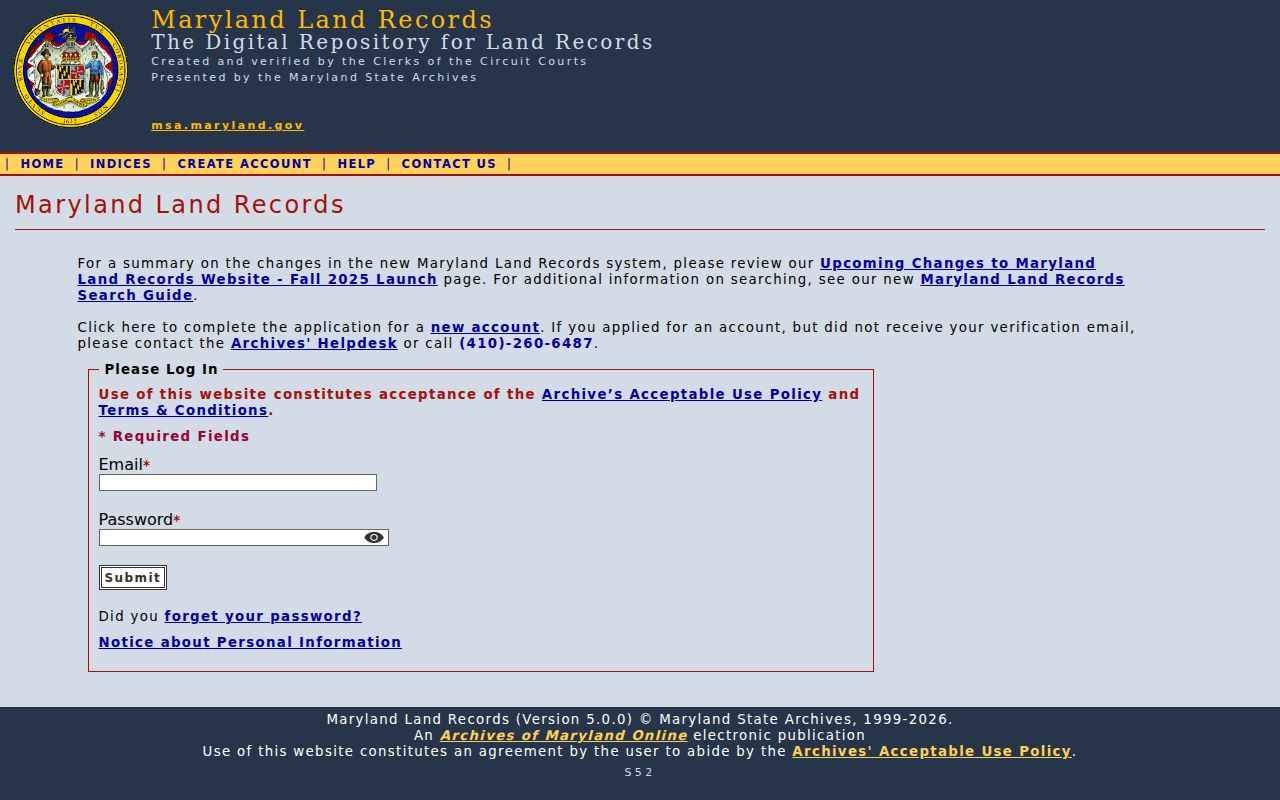
The portal indexes names and tax accounts, not streets.
- Find the present parcel's deed liber and folio, legal description, account, and transfer information in SDAT.
- Open the matching current deed in MDLandRec and record the instrument date, recording date, parties, capacity, book and page, tax account, and prior reference.
- Use the prior book and page to reach the earlier deed image, then identify the prior purchaser.
- Search that earlier purchaser as a seller in the grantor index and repeat the documented connection.
- When the modern path stops, move to the historical indices, a deed book, map, plat, patent, or archive route rather than guessing a predecessor.
Note: A deed party or an SDAT owner label proves neither current possession nor the members of a household.
Wheaton Historical Grantor Indexes
Montgomery's MDLandRec search offers a county-specific option. The Maryland land-record guide names Montgomery as the only county in that guide with SDAT Tax Account Identifier searching. It also directs researchers to the original historical indexes covering 1777 through 1976, with CE217 for grantee entries and CE218 for grantor entries. Search both sides of every transfer. Preserve spelling variants. Note each party's capacity as well. A name match is only a lead until the deed image and its references agree.
- Grantor
- The party transferring an interest in the recorded instrument. In a backward trail, a prior purchaser may later appear as the grantor or seller.
- Grantee
- The party receiving an interest. A grantee entry can identify the earlier purchase that precedes a later sale.
- Chain of title
- A documented sequence of recorded transfers connected through parties and prior book or page references.
- Legal description
- The parcel description used in the record, such as a subdivision, lot, block, tract, or metes-and-bounds wording. It is often safer than a modern street label for old deeds.
The Fall 2025 MDLandRec changes brought MFA, the Historical Indices naming, and Begins With, Ends With, and Contains modifiers. Older screen instructions may not match. Date-stamp the search and note the spelling and index choice used.
Wheaton Previous Residents Before Streets
Older deeds may stop naming a modern street. They cite a tract, patent, or metes-and-bounds call. That is a signal, not a dead end. Use a map, plat, abstract, or historic-house file as a bridge rather than inventing a current street number. Montgomery History recommends the 1794 Griffith map, the 1865 Martenet & Bond map, Klinge atlases, insurance policies, and historic-house files for correlation. None replaces a recorded deed. Montgomery History's maps and atlases collection identifies Griffith, Martenet & Bond, Klinge, selected Sanborn, aerial, and tax-map material.
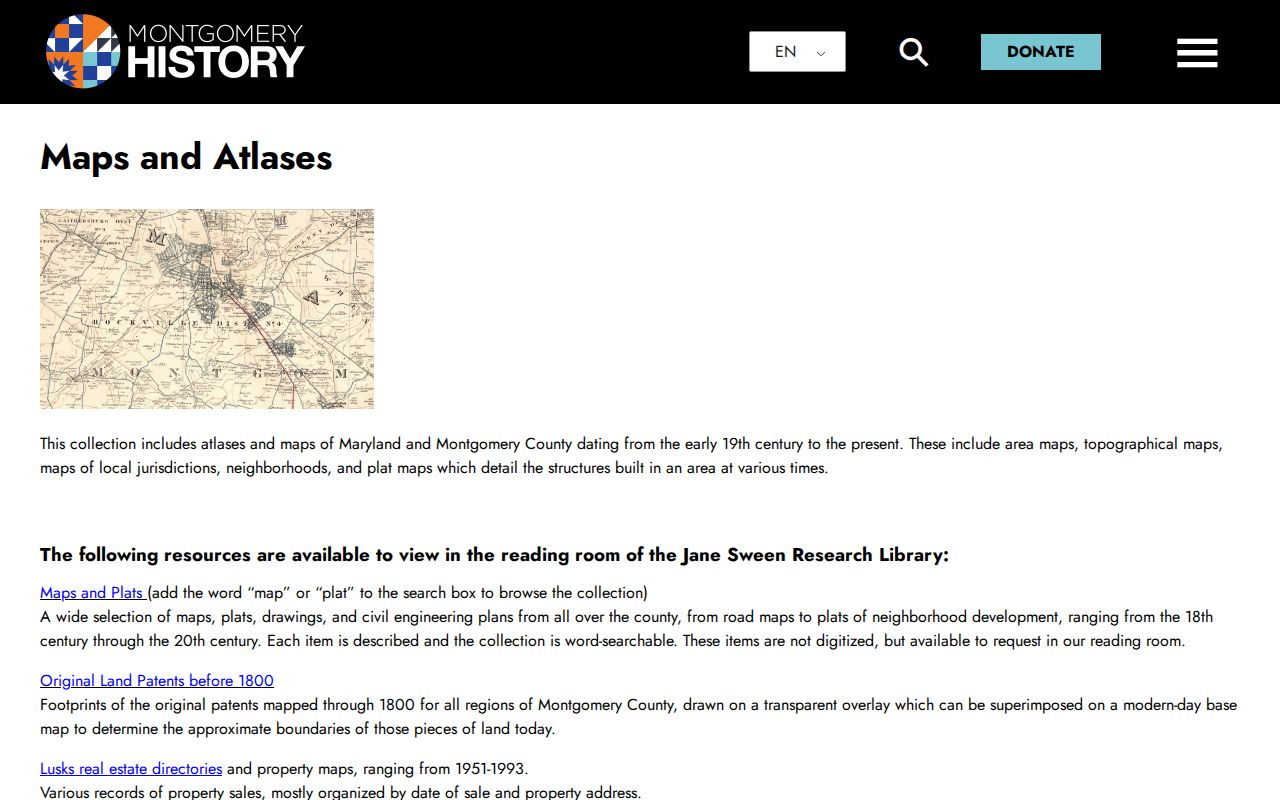
Record the map date and coverage. A historic atlas can show a different boundary or footprint than a later aerial or a current GIS parcel without any true contradiction. For deed chains, see Montgomery History's property-research guidance.
Mutual Fire Insurance policies can connect an owner surname or location to a structure and its outbuildings. They remain context, not proof of title.
Wheaton Previous Residents in Directories
Ownership is only part of the story. The 1951 Montgomery County real-estate directory supplement, the 1968 Kensington/Takoma Park/Wheaton Directory, and suburban criss-cross holdings from 1968 to 1996 can supply address-oriented household leads. Coverage is incomplete. The Library of Congress guide identifies gaps. Preserve each source's original address string, spellings, and abbreviations before linking it to a current parcel. The Maryland State Archives Wheaton directory holding documents the 1968 directory lead.
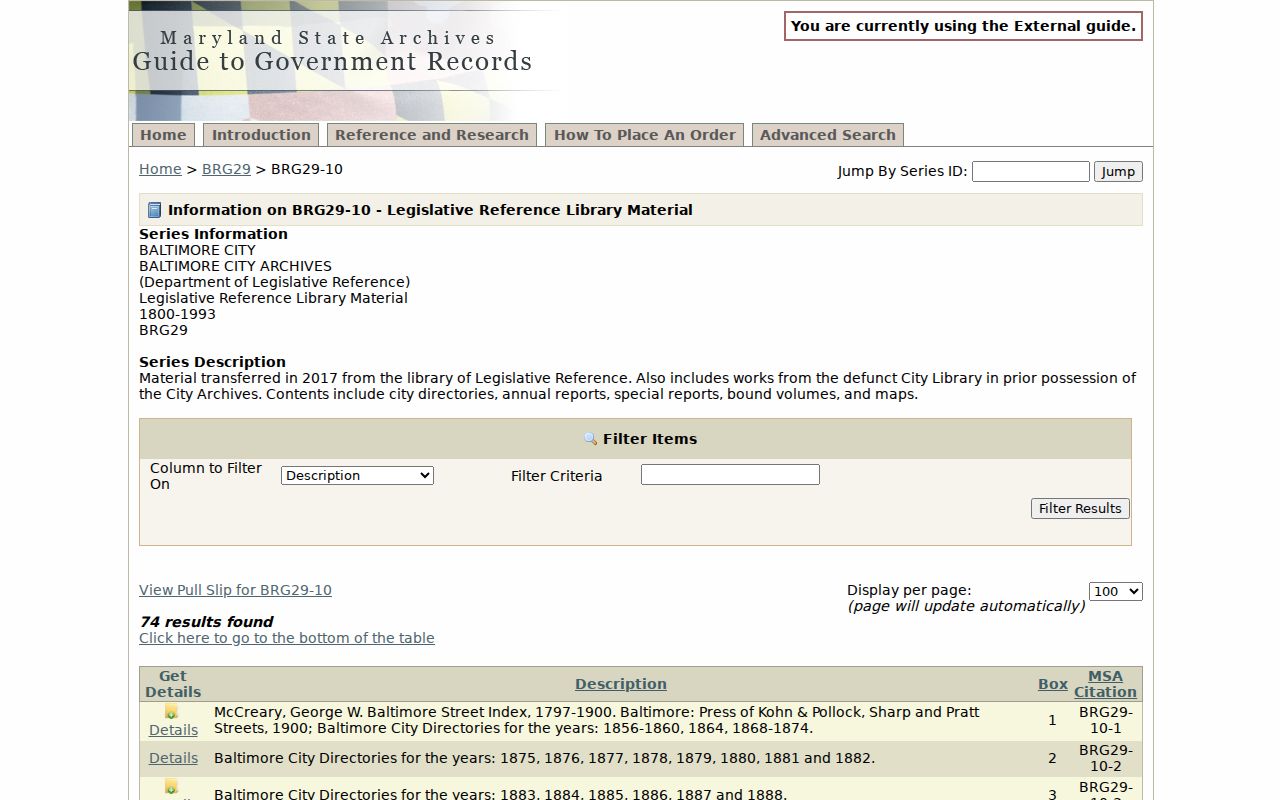
Check the actual volume first. Abbreviations, household structure, and entry order can mislead. The Wheaton city directory collections page provides shelf and access context for the broader holdings. Use each dated entry as a checkpoint. Then test it against a map, newspaper, deed reference, or census source.
Wheaton Previous Residents in Newspapers
Treat old newspapers as dated leads rather than proof. Start from a known address or an old spelling. A business or organization works too. So does the date of a public notice. Wheaton researchers can draw on several titles. These include the Wheaton News, the Wheaton Record, the Journal, and the Suburban Record. The Suburban Record ran from 1957 to 1987. Microfilm and reading access still vary by repository. Confirm the holding institution before traveling or filing a request.
The Suburban Record holding record lists the title's dates, microfilm, and restrictions. It also notes which repositories hold it.
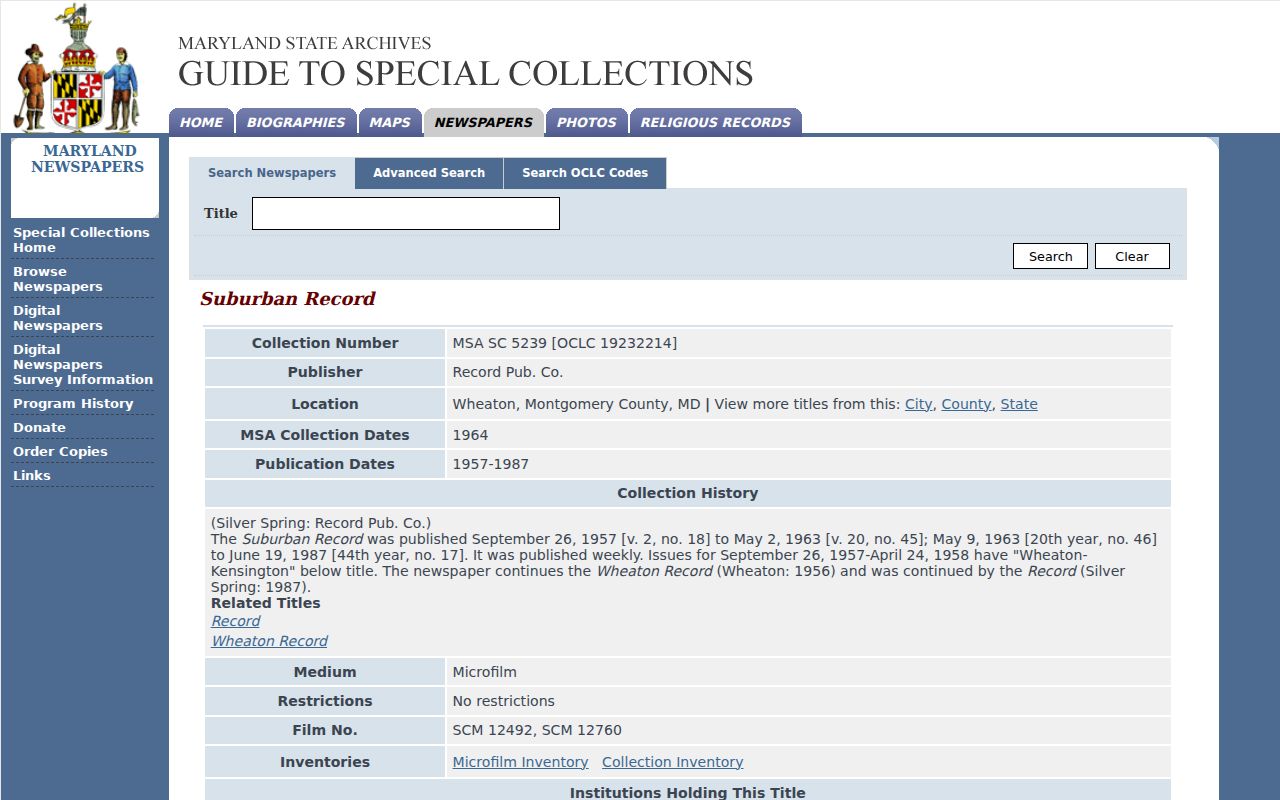
Log every hit carefully. Record the title, date, page, and repository. Also note the type of item. It may be a news story, advertisement, or civic notice. An ad or notice can place a household in time. It still cannot prove who lived at a Wheaton address on its own.
Note: Pair every newspaper item with another dated record before linking a person to a Wheaton address.
Wheaton Previous Residents and Estates
A transfer in the deed chain often makes sense at a certain point. The turning point is an owner change from an individual to an estate or personal representative. Maryland gives researchers a straightforward entry point. Maryland's Estate Search accepts a decedent's name, an estate or case number, county, status, filing date, estate type, and party type. Results can surface the decedent, representative, attorney, county, estate type, status, and filing details. Remember that it is an index, not the full probate file.
Begin with the estate or case number. Note the stated party capacity too. A Register of Wills, the clerk, or a Maryland State Archives order may be needed for a fuller file. That is especially so where the material is sensitive or old. Probate explains a transfer. It still cannot show that every heir lived at the address.
Estate Search data is generally posted after the close of the next business day. County automation scope varies, though. For an archives order, gather the deceased person's name, the date of death or filing, the county of residence or filing, and the estate number into one place. The Maryland State Archives order route requests those details plus delivery and contact information. Ask about the custodian's current no-record and copy-fee rules at the order stage, because an index hit does not guarantee a full file is on hand.
Pairing Wheaton Households and Census
Directories and census records answer different halves of the same historical question. Start with the directory year closest to the address event. Search nearby years and any criss-cross entry. Then pair the address with the matching census or Montgomery History abstract. Keep the source dates separate. Newspaper, map, deed, or estate material can test a move. The same material can test a changed label, or a transfer. Someone missing from one source may have moved. They may have been omitted. They may have used another name form, or fallen into a gap.
A sensible chain runs from the current or known address to a dated directory string. It then moves to a census or local abstract. Next comes a map or deed bridge. It ends with a newspaper or estate lead. Write down the source image or page after each step. Note the repository, date, name form, and any unresolved point. That ledger keeps a modern parcel display apart from a historical directory entry. Neither one gets mistaken for the same moment in time.
Careful Wheaton Previous Resident Research
Historic address research suits family history, house history, estate questions, personal curiosity, and documented civic work. Know when to stop. The next step should never rest on protected data. It should never rest on a same-name guess or an unsupported claim about a living person. Montgomery County and state sources also warn against deed-copy solicitations. So navigate independently to the custodian's official domain, compare identifiers, and ask the office about current copy routes and fees.